
Showcasing Sparkle: Designing Storefronts with Jewelry Display Cases
In a crowded retail landscape, jewelry stores must balance security, presentation, and customer engagement. The right jewelry display cases serve as both protective showcases and silent salespeople, drawing the eye to each piece’s unique brilliance. Below, we will explore how to select, style, and maintain cases that elevate your inventory and your brand.
Selecting the Perfect Case
- Form Meets Function
Tempered glass panels and sturdy metal framing ensure both visibility and durability. Look for cases with lockable sliding doors and reinforced joints to protect high-value items from theft or accidental drops. - Sizing and Scale
- Countertop Cases: Ideal for small items such as rings, earrings, and brooches. Their low profile encourages close inspection and private consultations.
- Wall-Mounted Cabinets: Perfect for larger pieces necklaces, watches, and statement collections. Mounted at eye level, they free up floor space and guide traffic flow.
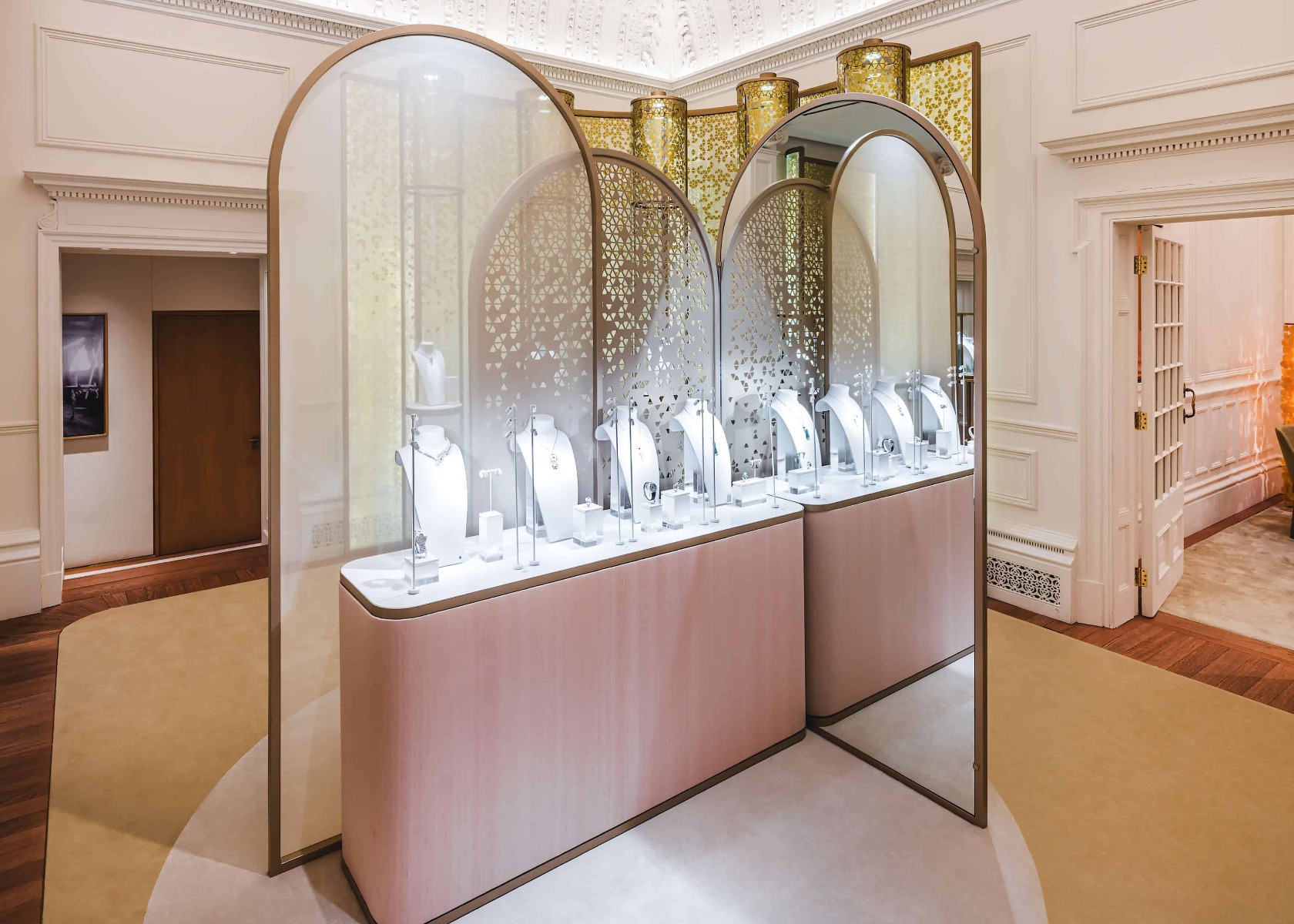
- Island Displays: Centrally placed, these units invite browsing from all sides and work well for limited-edition or spotlight collections.
Browse a curated selection of jewelry display cases to find configurations tailored to your store’s footprint and merchandise mix.
Lighting for Maximum Impact
Jewelry derives its allure from sparkle and color. Integrate built-in LED strips with a high Color Rendering Index CRI of 90+ to accurately render gemstone hues and metal tones. Position adjustable puck lights to cast narrow, focused beams on key pieces such as centerpieces in a wedding band set or diamond studs while avoiding harsh glare or hot spots.
Merchandising Strategies
- Curated Vignettes
Group complementary items like matching necklaces and earrings in small clusters on velvety trays. This storytelling approach encourages customers to envision complete looks rather than individual buys. - Tiered Arrangements
Use acrylic risers or slanted platforms within your cases to create layered displays. Varying heights ensures every item remains visible and prevents a flat presentation that can overwhelm the eye. - Signage and Storytelling
Incorporate minimalist tags indicating gemstone origin, metal purity, or designer name. Well-crafted copy adds perceived value and connects shoppers to each piece’s craftsmanship.
For a deeper dive into effective in-store presentation, see this overview of jewelry retail trends from JCK Online, which highlights emerging consumer preferences and merchandising innovations.
Maintenance and Security
- Daily Cleaning: Wipe glass surfaces with a microfiber cloth and ammonia-free cleaner to remove fingerprints and dust.
- Monthly Inspections: Check lock mechanisms, hinges, and glass mounts for wear or looseness tighten or replace hardware as needed.
- Climate Control: Maintain moderate humidity levels to prevent tarnishing of sterling silver or delicate metalwork. Silica gel packets inside enclosed cases can help absorb excess moisture.
Enhancing the Customer Experience
Consider integrating digital elements alongside physical displays. A small touchscreen beside your case can offer detailed product videos, stock availability, or virtual try-on features. This blend of tactile and interactive experience resonates with today’s tech-savvy shoppers and can increase dwell time often translating into higher average transaction values.
By thoughtfully selecting and arranging your jewelry display cases, optimizing lighting, and weaving in storytelling elements, you create a retail environment that not only protects valuable inventory but also captivates customers. With regular maintenance and strategic merchandising, your showcases become dynamic stages for your most precious designs inviting every passerby to step inside.